
 By
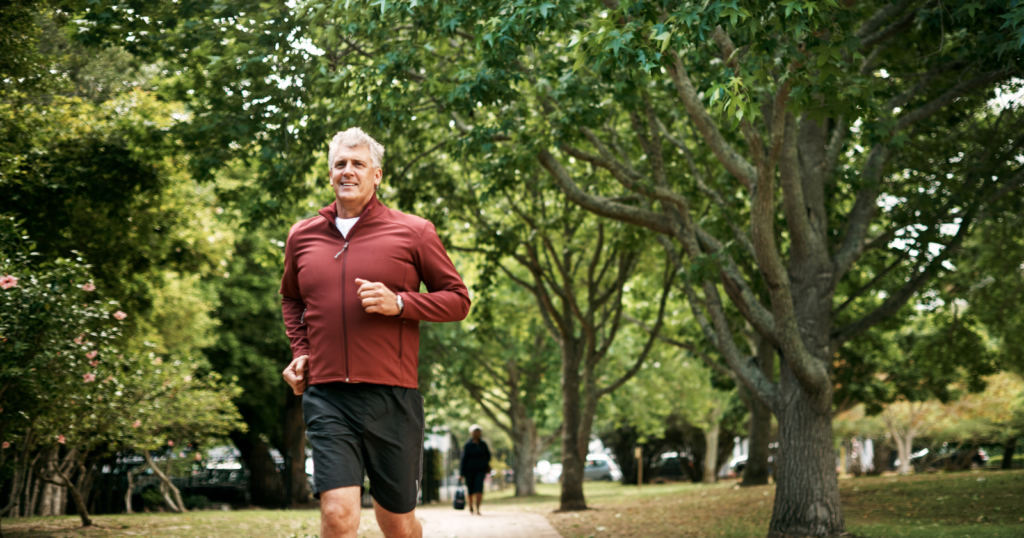
Some people seem to defy time itself. Their skin looks healthier, their posture stays strong, and their energy feels like it belongs to someone decades younger.
Genes and luck play a big part in how we age. But how people feel as they get older is also shaped by consistent, intentional habits practiced over years: habits rooted in self-respect, psychological wellbeing and, often, surprisingly simple daily choices.
Many contemplative traditions, Buddhism included, treat the mind and body as closely connected. When one is cared for, the other tends to follow.
Here are eight daily habits that research and mindfulness traditions link to aging well. They’re not about chasing youth—they’re about honoring yourself.
1. They move their bodies every single day (but rarely “overdo” it)
Youthfulness isn’t found in extreme workouts. It’s found in consistent movement. People who stay young-looking in their later decades aren’t usually the ones doing punishing routines—they’re the ones who simply refuse to stay sedentary.
They walk. They stretch. They garden. They practice yoga or tai chi. They lift light weights. They take stairs instead of elevators. And because they pace themselves, they avoid the injuries that leave many people inactive as they age.
Regular movement is linked to better mood, more energy and lower stress, and it helps people stay strong and mobile as they get older. Pairing it with a little mindful attention, like noticing your breath on a walk, can make it feel more restorative too.
The takeaway: It’s not about intensity. It’s about consistency. The body rewards steady care. And it’s never too late to start.
2. They protect their sleep like it’s a sacred ritual
Good sleep is one of the simplest things you can do for how you look and feel at any age. They treat sleep like nourishment—not an inconvenience.
This means consistent sleep and wake times, screen-free wind-down routines, sleeping in cool rooms, and avoiding late-night eating or alcohol. They understand that sleep isn’t just rest—it’s restoration.
Poor sleep shows up quickly: tired eyes, lower mood, shorter patience and less energy for everything else on this list.
The takeaway: Feeling your best requires a nervous system that isn’t constantly overloaded. Sleep is the gateway to that.
3. They maintain strong emotional boundaries
This is one of the most overlooked habits of youthful people: they don’t let emotional chaos drain their energy. They avoid gossip, drama, and one-sided relationships that leave them resentful or depleted.
They say “no” without guilt. They choose whose opinions matter. And they prioritize inner peace over people-pleasing.
Why does this matter? Chronic stress takes a real toll on health over time. Protecting your emotional energy won’t make stress disappear, but it cuts down on the avoidable kind, and that often shows in a more relaxed face and posture.
The takeaway: Peace is visible. You can see it on someone’s face. You can see it in how they carry themselves.
4. They eat in a way that supports energy rather than impulse
People who age well usually eat with a kind of calm intentionality. They’re not chasing fad diets or restricting themselves out of guilt. They’re simply tuned into how food makes them feel.
They favor whole foods. They hydrate regularly. They limit sugar and heavily processed foods, which tend to leave them feeling worse. They eat in moderation rather than extremes.
Many also practice a form of mindful eating—paying attention to hunger, fullness, and emotional triggers. This helps them avoid the cycles of overeating and undereating that leave people feeling sluggish.
The takeaway: Food is fuel. What you eat day to day shapes your energy and long-term health far more than any single meal.
5. They stay socially connected—but choose their circle wisely
Social connection matters for health. A 2010 meta-analysis of 148 studies found that people with stronger social relationships had a 50% greater likelihood of survival over the follow-up periods studied. But aging well isn’t about surrounding yourself with as many people as possible. It’s about surrounding yourself with the right people.
People who seem ageless often maintain friendships that nourish them mentally and emotionally. They laugh often. They keep conversations stimulating. They open up vulnerably, and they listen deeply.
And importantly: they outgrow relationships that consistently drain their spirit.
Good company helps people feel calmer, supported and more engaged with life, and that tends to show in how they carry themselves.
The takeaway: Youthfulness thrives in environments where the heart feels safe.
6. They cultivate a sense of purpose—no matter their age
People who age well often share one pattern: they never become passive participants in their own lives. They always have a reason to get out of bed.
Sometimes it’s work. Sometimes it’s a hobby. Sometimes it’s volunteering, learning something new, or caring for loved ones. But it’s always something with meaning.
There’s some research behind this. In a 2019 study of nearly 7,000 US adults over 50, a stronger sense of purpose was associated with a lower risk of dying over the following years. It’s an association rather than proof of cause, but it fits what many people notice: days with a reason behind them feel fuller.
The takeaway: A meaningful life radiates outward. It keeps the eyes bright and the posture alive.
7. They practice stress-reducing rituals every day
People who age gracefully often share one secret: they actively manage their stress rather than letting stress manage them. They don’t wait until they’re overwhelmed—they create micro-moments of calm throughout the day.
Some meditate. Some breathe deeply. Some journal. Some garden or cook with mindfulness. Some spend time outside every morning, grounding themselves before the day begins.
These rituals soothe the nervous system and protect the body from the long-term wear and tear of chronic tension. Over decades, that can make a real difference to how someone feels, and often to how they look.
The takeaway: You can’t avoid stress, but you can avoid letting it define how you age.
8. They keep their minds open—and their curiosity alive
Finally, many of the most youthful older adults are the ones who refuse to become rigid. They stay curious. They learn new technologies. They ask questions. They update their beliefs. They listen to younger people rather than dismissing them.
Their minds stay flexible, and that openness tends to show in how engaged and expressive they are.
Learning new things keeps the mind engaged, and curiosity makes everyday life more interesting. From a Buddhist standpoint, seeing the world with “beginner’s mind” keeps the spirit light and unburdened.
The takeaway: Curiosity is a form of youthful energy. It keeps you alive from the inside out.
The deeper truth: aging well is about how you live, not just how you look
People who look younger than their years aren’t focused on looking young. They’re focused on living well. Their habits reflect self-respect, balance, and emotional clarity. They treat their bodies as allies, not adversaries. They nurture their minds as carefully as they nurture their health.
And perhaps most importantly: they carry a softness about life. A sense of acceptance. That softness eases stress, opens the heart and brings a kind of peace that no cream can replicate.
Youth isn’t something that disappears at a certain age. It’s something you cultivate—through how you move, how you think, and how you treat yourself every single day.