
 By
By 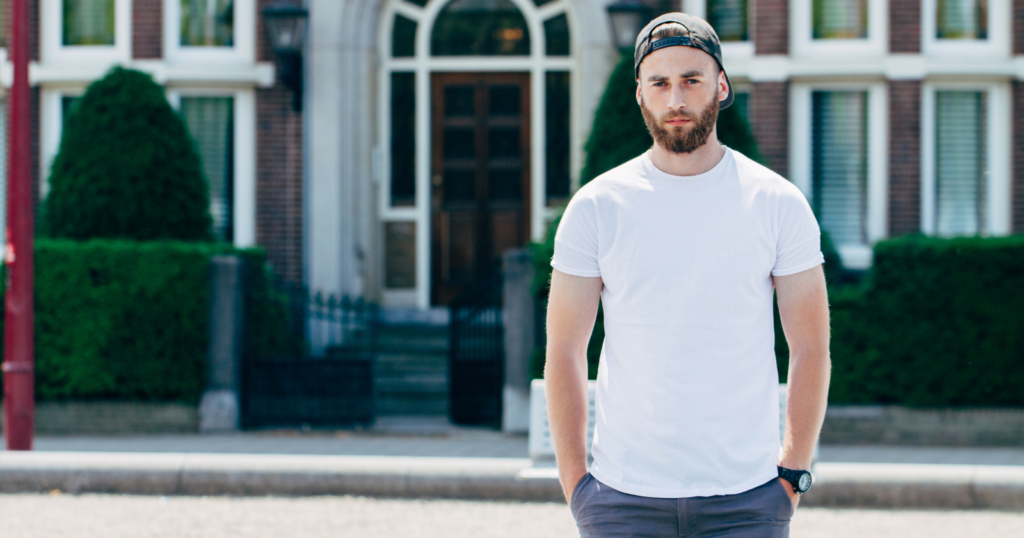
Three years ago, I bought seven identical white shirts from Uniqlo and basically stopped shopping for clothes.
I know how that sounds. Like I’ve given up on life, or joined some weird minimalist cult, or maybe just developed an unhealthy attachment to a specific shirt. But the truth is simpler and stranger: this one decision has done more for my productivity than every app, system, and time management technique I’ve tried combined.
I didn’t plan this. It started when I was living out of a suitcase for a few weeks, rotating between the same three shirts, and realized something unsettling — I felt mentally sharper than I had in years. The constant, low-level anxiety I’d carried every morning just… vanished.
The morning tax I didn’t know I was paying
Back in my corporate strategy days in Melbourne, I’d stand in front of my wardrobe for what felt like forever. Blue shirt or gray? Does this work with these pants? What’s the weather doing? Am I meeting clients today? The whole ritual ate up at least fifteen minutes every morning, sometimes more.
What I didn’t realize was that those fifteen minutes were just the visible cost. The real damage was happening in my brain.
Dr. Sheena Iyengar, a professor at Columbia University, puts it perfectly: “You want to cut down on the number of decisions you’re making per day so that you have the energy it takes to focus on the ones that matter a lot.”
That morning wardrobe paralysis was burning through mental energy I needed for actual work. By the time I sat down at my desk, I’d already made dozens of micro-decisions, and my brain was running at 80% capacity before the day had even started.
Now? I reach for a white shirt, grab my jeans, and I’m dressed in under a minute. No deliberation. No second-guessing. No mental gymnastics about whether this combination “works.”
The difference in my morning mental state is profound. I sit down at my favorite cafe here in Binh Thanh with my ca phe den, and my mind is clear. Ready. Not already exhausted from pointless decisions.
What actually happens when you stop choosing
The first month was weird. I kept reaching for variety that wasn’t there, muscle memory from years of mixing and matching. But by month two, something shifted.
My brain stopped treating “getting dressed” as a task that required thought. It became automatic, like brushing my teeth. And that freed up cognitive space I didn’t know existed.
I started noticing patterns. On days when I had to make exceptions — a wedding, a formal meeting — my productivity tanked. Not dramatically, but enough to notice. The simple act of choosing something different created this tiny crack in my mental flow that affected everything else.
The science backs this up. Every decision, no matter how trivial, pulls from the same limited pool of mental resources. Your brain doesn’t distinguish between choosing a shirt and choosing a business strategy. It’s all just decisions, and they all cost something.
When I removed clothing choices from my daily equation, other decisions became easier. What to write about. How to structure an article. Whether to take on a new project. The important stuff that actually moves life forward.
The unexpected social experiment
Here’s what nobody tells you about wearing the same thing every day: it becomes a fascinating filter for the people around you.
Some people never notice. Seriously, never. These tend to be the ones who are genuinely engaged with what you’re saying rather than what you’re wearing.
Others notice immediately and ask about it. These conversations usually go one of two ways. Either they’re genuinely curious about the philosophy behind it, or they’re concerned I’m having some kind of crisis. Both responses tell me something useful about how they see the world.
The most interesting reactions come from other overthinkers. They get it immediately. They’ve felt that morning paralysis, that creeping exhaustion from too many trivial choices. More than a few have started their own experiments after we’ve talked.
There’s also this weird respect that comes from consistency. When people know what to expect from you visually, they focus more on what you’re actually doing. In meetings, conversations, even casual encounters — the focus shifts from surface to substance.
Why white shirts specifically
People always ask about the white. Why not black? Why not gray?
White works with everything. It looks clean, intentional, professional enough for most situations but casual enough for everyday wear. It doesn’t show wear as obviously as black. It forces me to maintain them properly — you can’t fake clean with white.
But mostly, white removes another decision layer. With colored shirts, you start thinking about combinations again. White plus jeans. Done. White plus dark pants. Done. White plus literally anything. Done.
The specificity matters. “Same style of shirt” leaves room for choice. “White shirt” doesn’t. The constraint is the feature, not a bug.
The money and time nobody talks about
My clothing budget has essentially disappeared. I buy replacement shirts maybe twice a year. Same brand, same style, same size. The whole transaction takes five minutes online.
No more wandering through stores. No more trying things on. No more buying something that seems perfect but never quite works. No more clothes hanging in my wardrobe with tags still on.
The time savings compound. It’s not just the morning routine. It’s the shopping trips I don’t take. The online browsing I don’t do. The returns I don’t process. The organizing and reorganizing I don’t need.
All that time and mental energy gets redirected somewhere useful. Into writing. Into running through the streets of Saigon. Into actually living instead of preparing to live.
What this actually comes down to
This isn’t really about shirts. It’s about recognizing that we’re drowning in unnecessary decisions and having the courage to eliminate them.
Most productivity advice focuses on doing things faster or more efficiently. But what if the answer is to stop doing certain things entirely? What if the highest leverage move is subtraction, not addition?
The white shirt experiment taught me that automation isn’t just for technology. You can automate personal decisions too. Create rules that remove choices. Build constraints that free up mental space.
Since starting this four years ago, I’ve applied the same principle elsewhere. Same breakfast. Same running route. Same morning routine. Each elimination makes the important decisions a little easier, a little clearer.
People sometimes ask if I get bored. The opposite is true. When you’re not spending mental energy on trivial variety, you have more capacity for meaningful variety. Better conversations. Deeper work. Richer experiences.
The white shirts aren’t a statement. They’re an absence of statement. A deliberate nothing that creates space for everything else.